Why Surgeon Health Is a Critical Patient Safety Issue
When patient safety in surgery is discussed, the focus is often on technology, protocols and surgical skill. Yet one critical factor is frequently overlooked: the physical condition of the surgeon.
Multiple studies show that musculoskeletal pain is nearly universal among surgeons. Research published in JAMA Surgery reports that 79–88% of surgeons experience work-related musculoskeletal pain, and up to 20% develop clinically diagnosed occupational injuries during their careers. Ensuring surgeon health is not just about caring for the medical professional. It is about creating a safer environment for every patient who enters the operating room. Technologies such as NekSpine are designed to specifically address these ergonomic challenges.
How Physical Strain Can Affect Performance
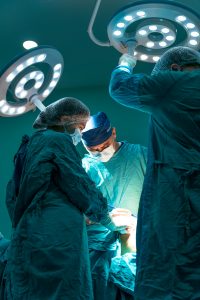
Surgeons spend long hours standing over operating tables, often in awkward positions. Holding a single posture for extended periods can place significant stress on the spine, shoulders, and neck. Chronic strain can lead to discomfort, fatigue, and even injury over time. While a surgeon may push through pain to complete a procedure, fatigue can subtly affect their hand stability, reaction times, and decision-making.
While surgical headlights and magnification systems improve visualization, they can also increase cervical loading and encourage forward head posture during long procedures.
Among all musculoskeletal complaints reported by surgeons, neck pain consistently ranks as the most common and disabling. Prolonged forward head posture while using loupes, headlights, or microscopes places significant load on the cervical spine. Over the course of a long procedure—or an entire surgical career—this strain can lead to chronic pain and degenerative changes.
Mental and Emotional Factors in Surgical Care
A surgeon’s mental state plays a crucial role in their ability to perform safely. Stress, sleep deprivation, and burnout can reduce attention to detail and increase the risk of errors. Even the most skilled surgeons can experience lapses in concentration when under extreme mental or emotional pressure.
Creating routines that encourage mental well-being is just as important as physical support. Breaks between procedures, mindfulness practices, and supportive team environments allow surgeons to reset and maintain a clear, focused mindset. Surgical teams that prioritize mental health can help ensure that each procedure benefits from the surgeon’s full capacity to focus and respond to challenges in real time.
Enhancing Safety Through Ergonomic Solutions
Ergonomic solutions offer practical ways to reduce the physical toll on surgeons while indirectly improving patient outcomes. Key strategies include using adjustable operating tables/monitors, taking microbreaks, adopting neutral postures (elbows at 90-120°), using lightweight instruments,cervical load-support technologies and employing anti-fatigue mats
These tools seek to do more than improve comfort. The goal is to allow surgeons to maintain steady hands, accurate precision, and clear focus during complex procedures. Over time, incorporating ergonomic solutions into the operating room reduces fatigue, lowers stress, and supports consistent performance for every patient.
Why Prioritizing Surgeon Health Benefits Everyone
Focusing on surgeon health creates a ripple effect of benefits. Surgeons who receive adequate physical and mental support report higher energy levels, better focus, and improved overall well-being. These factors directly contribute to patient safety by reducing the risk of errors and enhancing surgical efficiency.
When hospitals and clinics invest in resources such as spinal support equipment, surgical headlights, and wellness programs, they strengthen the foundation of patient care. Every improvement in surgeon comfort and alertness translates to greater attention to detail and a safer surgical environment.
Practical Steps to Support Surgeons
Small changes in the operating room can make a meaningful difference in surgeon well-being. Proper lighting with high-quality surgical headlights, thoughtful operating room ergonomics, and brief breaks during longer procedures can help reduce physical strain. Equally important is attention to mental wellness through team check-ins, stress-management strategies, and a culture that encourages surgeon self-care.
Exploring technologies such as NekSpine, which passively supports the cervical spine and upper back, can provide an additional layer of ergonomic protection during prolonged or ergonomically challenging procedures. As awareness of surgeon health continues to grow, solutions that reduce physical strain while maintaining precision and mobility are becoming an important part of the conversation around sustainable surgical practice and patient safety.
Building a Culture of Safety and Care
Patient safety begins with the well-being of the professionals performing the procedure. When surgeons feel supported, rested, and physically comfortable, they are better positioned to maintain focus, stamina, and precision throughout even the most demanding cases. Prioritizing surgeon health ultimately contributes to a safer environment for every patient in the operating room.
Hospitals and clinics that intentionally foster a culture of wellness benefit both their clinical teams and the patients they serve. Investments in ergonomic tools, thoughtful operating room design, and wellness initiatives demonstrate a commitment to supporting surgical professionals. Over time, these efforts help strengthen the entire surgical team and create an operating room environment where safety, performance, and long-term surgeon health are valued priorities.
NekSpine: Supporting Surgeon Health in the Operating Room
Surgeon health and patient safety are closely connected. Physical strain, mental fatigue, and burnout can subtly affect focus and endurance during long procedures. Fortunately, practical solutions and thoughtful operating room design can help surgeons maintain comfort, stability, and concentration throughout demanding cases.
Advances in surgical ergonomics are bringing new attention to technologies that help reduce neck and spinal strain while preserving mobility and precision. Systems such as NekSpine are designed to passively support the cervical spine and upper back during procedures, helping surgeons maintain a more sustainable posture over time.
By prioritizing surgeon well-being, hospitals and clinics not only support their medical teams but also strengthen the foundation of surgical safety. Investing in the health of the surgical workforce ultimately benefits everyone in the operating room—especially the patients they serve.
Learn more about how NekSpine is helping surgeons to manage the physical strain of the operating room.