
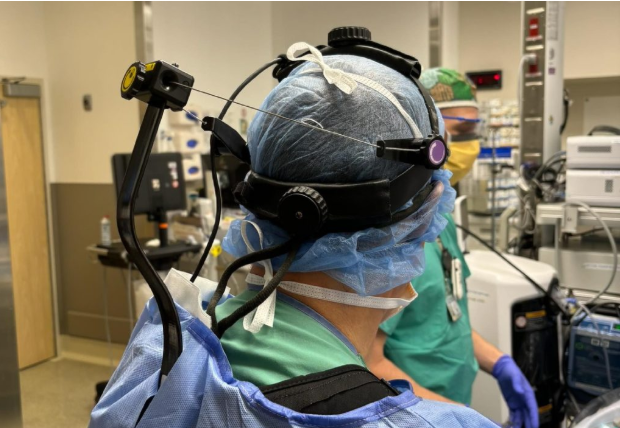
Long procedures, static postures, and downward neck flexion that never seems to end. If you work in surgery, dentistry, or any clinical specialty that requires hours of precise, head-down work, you already know how quickly neck strain can build up.
What many clinicians don’t realize is just how much forward head tilt increases cervical load, and how significantly it affects comfort, performance, and long-term musculoskeletal health.
With so many “ergonomic” devices on the market, chairs, braces, posture correctors, OR positioning tools, wearable supports, it can be hard to know which ones actually work and which ones look ergonomic.
This guide breaks down the most common options, explains the science behind reducing neck load, and shows you what truly protects your spine during long, demanding procedures.
Want to feel the difference real cervical support makes? Request a NekSpine demo today. Check out our website to see how Nekspine can help you throughout your workday.

Research shows that at just 15 degrees of forward head tilt, the cervical spine experiences the equivalent of nearly 27 pounds of force. At 45 degrees, that force can exceed 45 pounds.
Now multiply that by years of surgeries, office procedures, or dental work, and it becomes clear why musculoskeletal strain is one of the top career-limiting issues in medicine.
This is why true neck load reduction has become a core part of modern surgical ergonomics. It’s not about “sitting up straighter” or “being mindful of posture.” When you’re working under the lights for hours, mindfulness is the first thing to disappear.
Support systems need to do the work for you quietly, naturally, and without restricting movement. To understand what actually helps, let’s examine the most common ergonomic devices clinicians use today.
Posture braces are among the most common “solutions,” and also the most misunderstood. Their purpose is to cue your body into a more upright position, but they do not reduce neck load.
Braces pull your shoulders back, which can temporarily improve thoracic alignment. Many people mistake that “held upright” feeling for genuine support.
Best For: Short-term posture cues not long cases, long procedures, or true cervical strain.
Saddle stools and ergonomic chairs are staples in many dental offices and outpatient surgical environments. They improve hip alignment, spinal curvature, and lumbar support. But when it comes to sustained head-down work, they simply can’t solve the core problem.
Even the most ergonomic stool cannot prevent the gravitational force of a 45-degree head tilt during detailed work. Good posture does not automatically equal reduced neck load.
Every surgeon knows OR layout matters: table height, monitor position, foot pedal placement, lighting, and microscope height all influence posture.
Optimized setup reduces unnecessary leaning and keeps your body in a more neutral alignment at the start of the procedure.
Setup can help significantly, but it can never fully eliminate head flexion or the neck load that comes with it.
Ergonomic loupes are an improvement compared to traditional designs. Adjustable declination angles allow clinicians to see their field with less leaning. But even high-end loupes have limits.
Loupes improve posture but do not remove the underlying cervical burden.
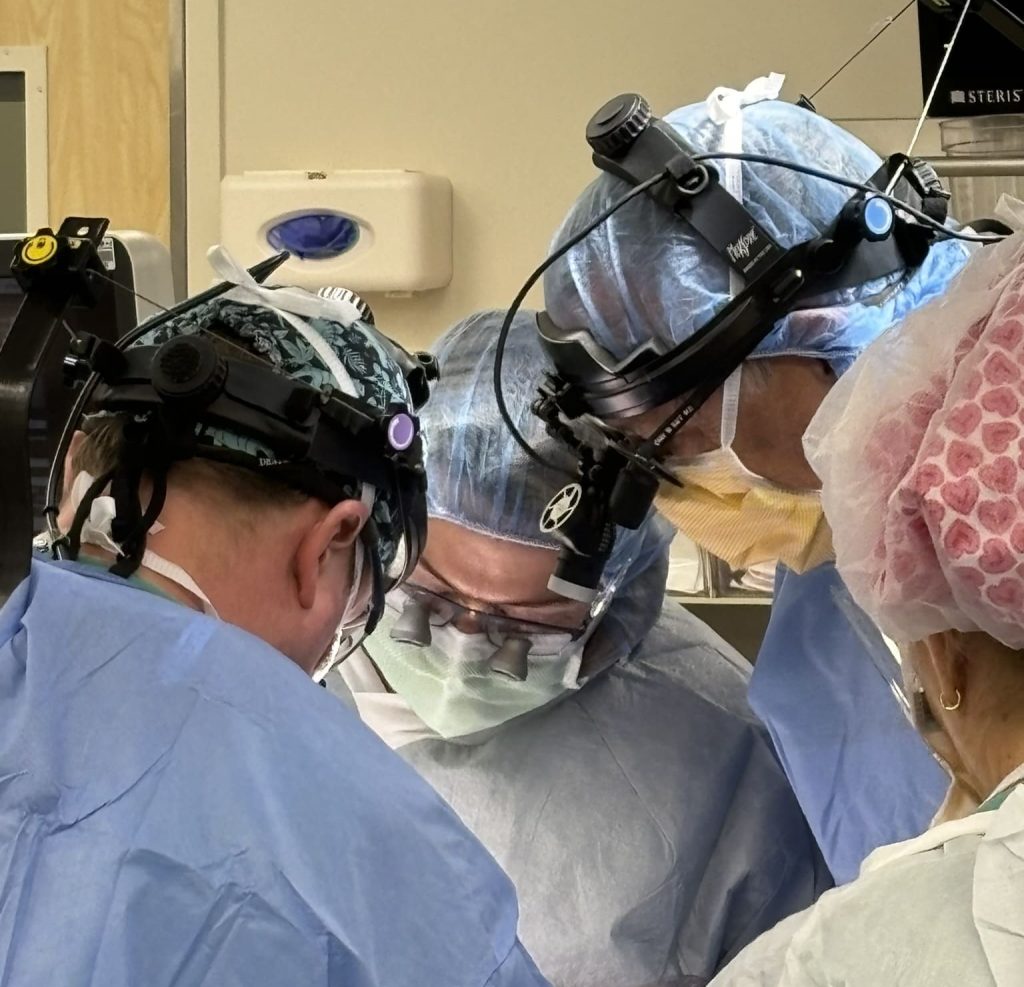
This is where NekSpine enters the picture, and where the conversation shifts from compensation to true offloading.
Wearable support systems help redistribute the gravitational force associated with forward head posture, reducing the load on the cervical spine and transferring some of that force to broader, more stable areas of the upper back.
This is the only device category that addresses the primary ergonomic issue head-on: forward head load.
After comparing every major ergonomic tool used in clinical settings, here’s the real answer:
✔ Chairs and stools
✔ Loupes
✔ OR positioning
✔ Posture reminders
These are valuable, but they do not reduce cervical load.
✔ Wearable cervical support systems
✔ Devices engineered to offload gravitational force
Choosing the Right Solution for Your Needs
If your goal is:
Then, positioning tools and standard ergonomic equipment go a long way.
But if your goal is:
Then, only a cervical support system provides the targeted level of support.
At the end of the day, the device that matters most is the one that truly impacts the forces acting on your body. Engineers designed NekSpine with that exact purpose in mind: to support clinicians through long, demanding, static procedures by reducing the load that causes pain, fatigue, and long-term damage.
If you’re ready to feel the difference and experience real cervical support during your next procedure, we’re here to help.
Book your personalized NekSpine fitting and discover what true neck load reduction feels like. Learn more about nekspine works for surgeons and dentists.