Clinically Validated Ergonomic Support for Surgeons
Independent peer-reviewed studies demonstrate measurable reductions in surgeon discomfort
and high-risk posture exposure.
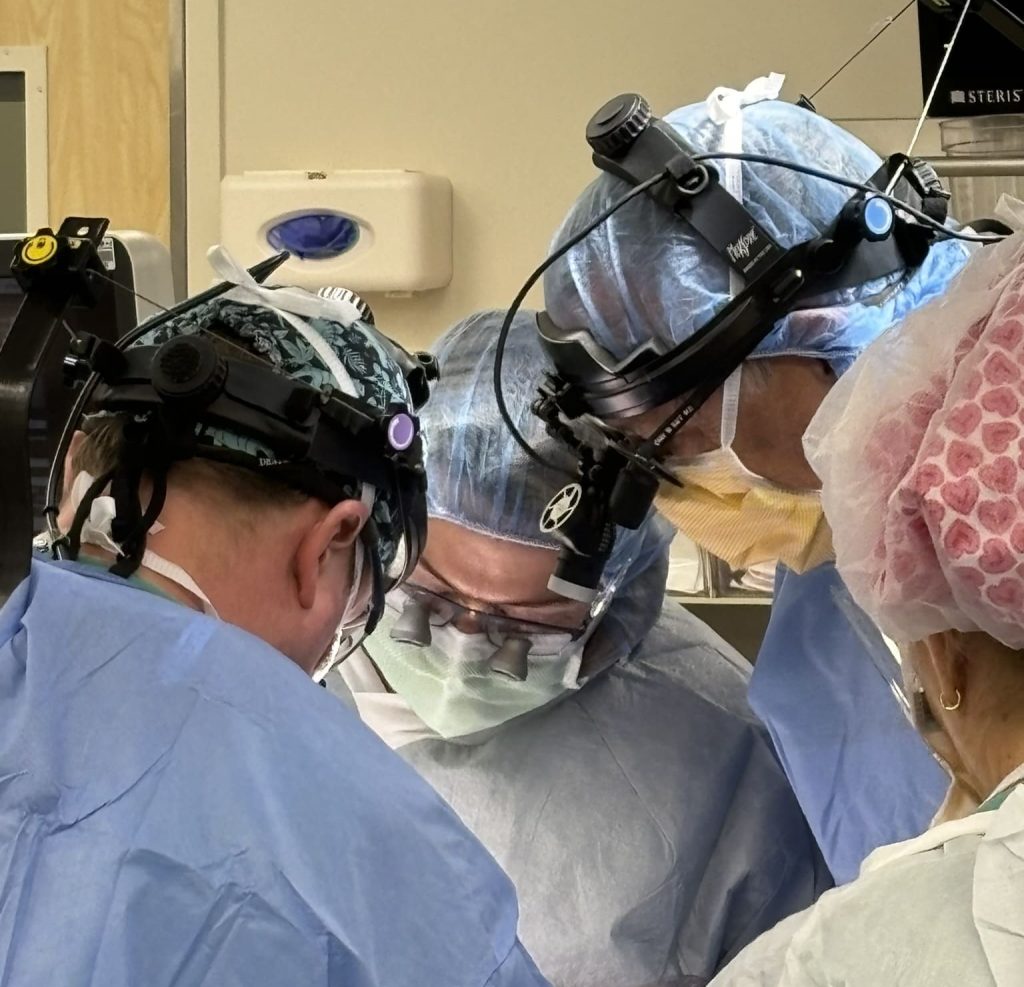
During surgery, surgeons often adopt awkward, high-risk neck postions which put them at risk for neck discomfort and injury. Muculoskeletal Diseases (MSD) are common among surgeons, with a prevalence rate of 70-90% depending on the specialty.
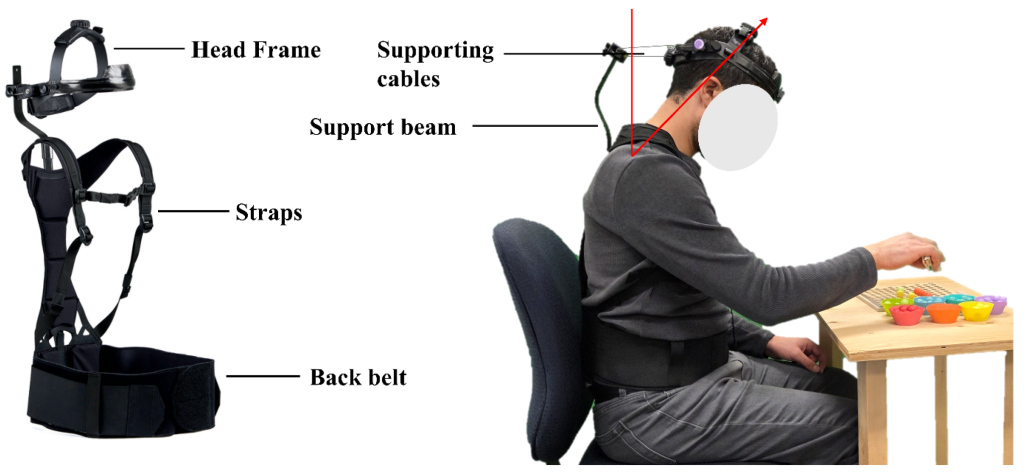
The Nekspine was designed with surgeon feedback to reduce the load on surgeons’ necks and backs during surgery, reducing the risk of MSD.
The efficacy of the Nekspine exoskeleton in real-world surgical contexts has been supported by independent, peer-reviewed studies in respected journals like Annals of Surgery and Sensors.
Studies have found that use of the Nekspine during open surgery significantly reduced surgeon’s muscle strain, occurences of high-risk posture, and perceived discomfort, while increasing surgeon’s endurance during procedures.
Pictured Nekspine device, recommended in Sensors and Annals of Surgery
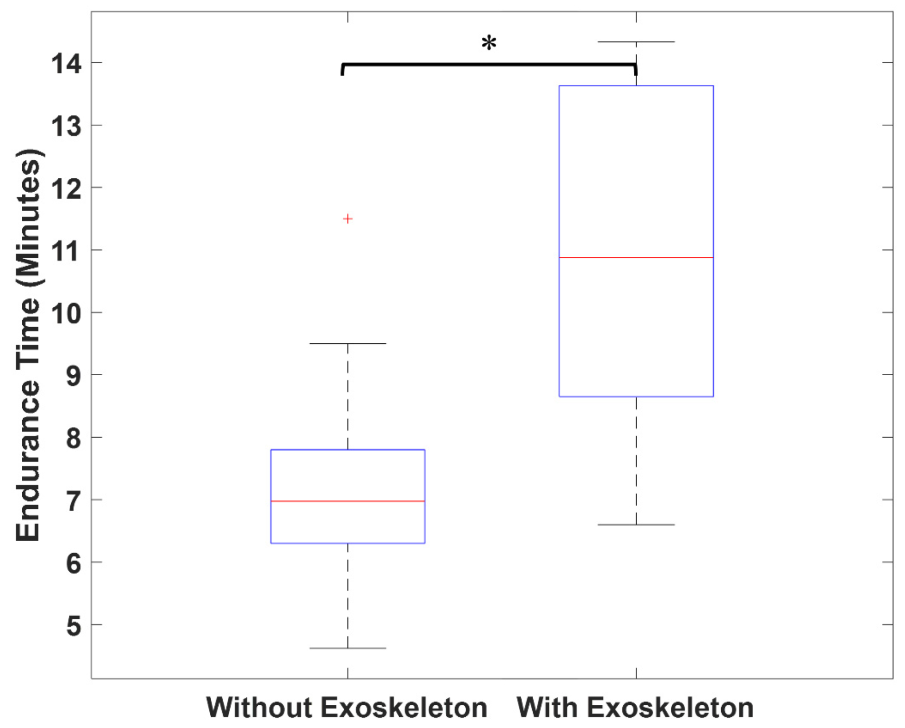
56%
increase in static endurance time
41.7%
reduction in neck & shoulder discomfort at 45° flexion
6.8%
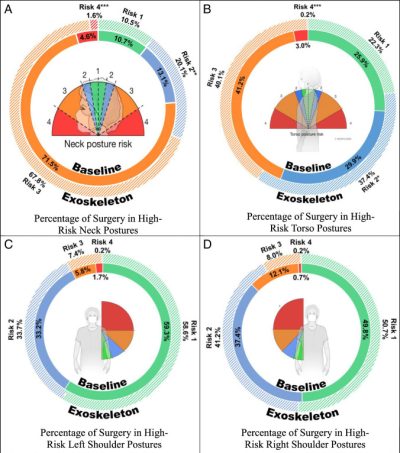
reduction in exposure to extreme-risk postures
91.7%
surgeon acceptance
* Statistics taken from studies
Why Hospital Leaders Are Paying Attention
Surgeon musculoskeletal strain is increasingly recognized as a contributor to fatigue, burnout, and workforce risk. Peer-reviewed evidence now demonstrates that ergonomic intervention during surgery can measurably reduce physical strain without disrupting workflow. For health systems focused on clinician well-being and operational sustainability, evidence-based ergonomic support is becoming an area of strategic interest.
- Supports surgeon well-being initiatives
- Aligns with ergonomic risk-reduction efforts
- May contribute to workforce sustainability
- Designed for seamless OR integration
Study Deep Dives
SENSORS (Biomechanical)
Study Summary: This study looked at the efficacy of the Nekspine exoskeleton at reducing musculoskeletal neck and back strain during tasks at the following neck flexions: 15°, 30°, 45°, and 60°. The exoskeleton was tested with and without the headlight at the 45° flexion.
Participants were asked to perform simulated surgical tasks at each neck flexion both with and without the Nekspine. Additionally participants did the task at the 45° both with and without the headlight attached.
Partcipants: 5 men and 5 women. All able-bodied, with no previous history of back or neck disorders.
Results:
- Reductions in neck and lower back muscle activity
- Reductions in perceived discomfort and exertion in the neck and lower back
- Increased endurance during procedures
What This Means for Surgeons:
- May help reduce fatigue accumulation
- Supports longer static positioning
- Provides measurable biomechanical assistance
ANNALS OF SURGERY
Study Summary: The study looked at evaluating the effectiveness of the Nekspine exoskeleton during surgery procedures that require high risk neck and body postures.
Each surgeon was made to perform 4 total surgery procedures, 2 wearing the exoskeleton and 2 without, the order of which was randomized to prevent bias. Surgical procedures ranged between 0:40 and 5:12 long.
Participants: 12 surgeons (7 males and 5 females) across 6 different specialties, all of whom were right handed.
Results:
- When using the Nekspine exoskeleton, there were significant decreases of discomfort for areas such as the neck, shoulders, and left upper arm.
- Decreases in mean angles seen in the neck.
- Significantly improved surgeons’ neck and torso postures.
- Minimally interfered with surgeons ability to perform surgery whilst not compromising their range of motion.
What This Means for Hospitals:
- Supports surgeon well-being programs
- Minimal workflow disruption
- High likelihood of clinician adoption
What Surgeons Are Saying: