The Gap in Traditional Ergonomics Programs
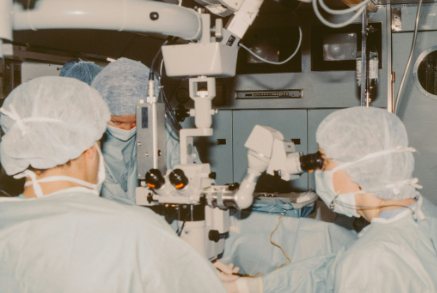
Most hospital ergonomics programs help nurses, patient handlers, or office staff. These efforts provide poorly structured solutions for operating surgeons, especially during long or complex procedures.
Table height or monitor changes help, but do not reduce neck strain. Surgeons still hold their heads for long periods, leading to sustained muscle effort.
NekSpine helps fill this gap by directly supporting the clinician. Rather than relying only on environmental changes, it introduces a wearable support system that reduces the strain placed on the cervical spine. This approach allows hospitals to strengthen their ergonomics programs by addressing both the workspace and the individual performing the procedure.
Consider a typical surgical day: A surgeon might perform several lengthy procedures, each requiring prolonged periods of neck flexion. By the end of the day, persistent discomfort can accumulate, making it difficult to maintain focus and composure during critical moments.
A Practical Fit for Hospital Implementation
Hospitals need solutions that are easy to adopt, adapt, and use with current workflows. Implementation should not disrupt or require heavy training.
NekSpine is designed for easy adoption, not requiring changes to surgical technique, operating room layout, or equipment setup. Surgeons can quickly adjust the device to their needs and integrate it into their workflow, supporting quick adoption and minimizing resistance.
Adjustability ensures NekSpine fits various body types, specialties, and procedural setups. Its flexibility supports pilot programs, departmental rollouts, and system-wide use, eliminating the need for multiple solutions for different teams.
For example, one hospital piloted NekSpine in both orthopedic and cardiovascular operating rooms. Surgeons quickly found ways to adapt the device to their specific procedural needs, and feedback highlighted improved comfort without disrupting surgical flow.
Supporting Surgeon Safety and Risk Reduction
From a risk management perspective, musculoskeletal strain is a long-term concern that can impact clinicians’ well-being, productivity, and retention. Repetitive strain on the neck and upper back can contribute to chronic discomfort and fatigue, which may affect a surgeon’s ability to maintain consistent performance over time.
NekSpine helps address this risk by reducing the physical load placed on the cervical spine during procedures. Proper alignment supports a more neutral posture, allowing surgeons to maintain it without continuous muscular effort.
This reduces the accumulation of strain throughout the day and helps support long-term physical well-being.
Left unaddressed, chronic musculoskeletal stress can force clinicians to limit their caseload or take time off for rehabilitation, affecting both individual careers and hospital staffing.
Hospitals support surgeon safety to sustain their workforce. Using ergonomic tools minimizes strain, supports well-being, and shows a proactive attitude for clinicians.
After using NekSpine for a month, I noticed reduced neck fatigue and was able to focus better throughout long cases,” reported one surgeon. This kind of feedback underscores the value of prioritizing ergonomics for surgical teams.
Improving Performance in High-Demand Environments
Operating rooms demand focus, precision, and steadiness. Physical fatigue from strain can hurt comfort and concentration, especially across many procedures.
NekSpine helps reduce this burden by supporting the head and neck throughout the procedure. With less effort required to maintain posture, surgeons can remain more comfortable and focused for longer periods.
This is especially valuable in high-volume surgical settings, where clinicians perform multiple procedures throughout the day.
On high-volume days, surgeons often report that the cumulative effect of minor discomforts can become a significant distraction. With ergonomic support, those discomforts are minimized, making each procedure less taxing and improving overall endurance.
NekSpine reduces unnecessary strain, maintaining steadier performance and smoother workflows for surgeons and teams.
A Clear Path to Pilot and Procurement
Hospitals need a simple, clear implementation path. NekSpine offers a straightforward process to test its value without disruption.
Facilities can begin with a pilot program involving a select group of surgeons across different specialties. This allows for real-world evaluation of comfort, usability, and workflow integration. Because the device is simple to use, feedback can be gathered quickly, helping decision-makers understand its impact quickly.
A typical pilot includes baseline surveys of clinician comfort, observational checklists during use, and structured debriefs to gather feedback. Iterative adjustments based on surgeon input can optimize integration before full deployment.
After a successful pilot, NekSpine can be rolled out at the departmental or system level. Its adaptability supports expansion without major operational changes, making procurement straightforward across departments.
Supporting Adoption Across Surgical Teams
Adoption determines program success. Solutions that disrupt workflows rarely succeed. NekSpine is intuitive and easy to use, minimizing resistance.
Surgeons use NekSpine without changing operating technique. Because it is adjustable and unobtrusive, the support becomes part of the setup, encouraging usage across teams.
Leadership support and peer champions can be instrumental in adoption. When respected clinicians endorse a new tool and demonstrate its ease of use, other team members are more likely to embrace it. A helpful strategy is to assign “ergonomics ambassadors” within departments to guide and encourage colleagues.
As clinicians feel less strain and greater comfort, NekSpine use increases, driving the success of ergonomics programs across the organization.
Long-Term Value for Hospitals and Surgical Teams
Ergonomic support means long-term performance. Surgeons with less fatigue can work in comfort, stay focused, and maintain high performance.
NekSpine reduces daily stress and builds better posture habits. As part of a full ergonomics program, it helps create a more supportive hospital environment.
Long-term adoption contributes to reduced absenteeism, lower staff turnover, and improved morale. These factors, when combined, can translate into better patient care and sustained institutional excellence.
Over time, NekSpine leads to higher clinician satisfaction, less discomfort, and sustainable surgical care. Supporting posture protects performance for an entire career.
In summary, prioritizing surgeon ergonomics is an investment in quality care, clinician longevity, and hospital efficiency. As technology and workplace demands evolve, continuous improvement in operating room safety will remain essential.
Request a Hospital Quote
NekSpine fits smoothly into hospital workflows, delivering real ergonomic support for surgeons. From pilots to full rollout, it improves posture, eases cervical strain, and protects surgeon safety.
Contact us to request a hospital quote or schedule a pilot for your department. Discover how NekSpine can improve surgeon safety and reduce fatigue.