Surgical Ergonomics Beyond the United States: Why International Surgeons Are Adopting Intraoperative Support
The Biomechanics of Prolonged Operative Positioning Are Identical Regardless of Where the Surgery Happens
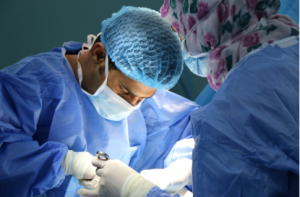
A surgeon in Beijing sustaining forty-five degrees of forward flexion during a four-hour case carries the same cervical load as a surgeon in Minneapolis doing the same. According to a study, a forward head tilt of 45 degrees generates 49 pounds of effective cervical spine load regardless of the clinical setting, the healthcare system, or the geographic location where the surgery takes place. What varies internationally is how much the surgical community in each country has normalized post-case discomfort, how actively ergonomic interventions are promoted by professional societies, and how readily available evidence-based solutions are to surgeons outside the United States. If you are an international surgeon interested in evaluating passive cervical support, contact our team to discuss availability in your region.
The Global Research Base for Surgical Musculoskeletal Injury Is Consistent Across Countries
What Published Studies From Multiple Countries Show
The musculoskeletal disorder literature in surgery is not US-centric. According to a PMC worldwide MSD meta-analysis that examined work-related musculoskeletal disorder prevalence across surgical specialties, neck pain prevalence was 41% among open surgery practitioners and 45.3% among robotic-assisted surgery practitioners. According to a PMC endoscopic sinus surgery meta-analysis that examined endoscopic sinus and skull base surgery using international data, the 12-month prevalence of work-related musculoskeletal disorders was 82%, consistent with figures reported in international otorhinolaryngology practice. According to Epstein et al., JAMA Surgery, which examined 5,828 physicians across 21 studies, the prevalence of degenerative cervical spine disease among surgeons increased by eighteen point three percent from 1997 to 2015. These figures are drawn from studies conducted across multiple countries and healthcare systems. The mechanism driving them, sustained forward head flexion under load across long operative careers, operates identically in every country. Our published clinical research is summarized on our clinical evidence page, and international surgeons can contact our team to discuss availability in their specific country.
Surgical Training Culture in Many Countries May Cause Underreporting of Actual Burden
Why Published Prevalence Rates May Understate the Problem in Some Surgical Populations
The willingness to report musculoskeletal symptoms varies significantly across surgical training cultures. In healthcare systems where stoicism in the face of physical demands is deeply embedded in surgical training, surgeons may be less likely to report symptoms or to identify their discomfort as a legitimate occupational health concern. This does not reduce the underlying biomechanical load the cervical spine carries. According to research published in PMC examining cumulative occupational musculoskeletal injury in surgery, the risk to musculoskeletal health is cumulative and rarely recognized until injury occurs, regardless of how the surgical culture around that recognition is structured. Our resource on the hidden cost of musculoskeletal injuries describes the broader career and economic consequences at our hidden cost MSK injuries page, and international surgeons can reach our team to discuss access in their region.
The Peer-Reviewed Evidence Translates Across Healthcare Systems
Why the Mayo Clinic and University of Alberta Studies Are Relevant to International Surgical Practice
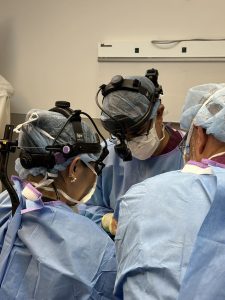
The NekSpine Mayo Clinic study, Annals of Surgery, carries the credibility of peer-reviewed publications in internationally recognized journals. Surgeons and hospital systems in China, the UK, India, Singapore, and across Europe evaluate clinical evidence using the same standards applied internationally, and peer-reviewed studies documenting a fifty-six percent increase in static endurance time, a forty-one point seven percent reduction in neck and shoulder discomfort, and up to a thirty-one percent reduction in neck muscle activity are relevant to any surgeon accumulating the same cervical load in any country. The device requires no institutional integration, no software, and no infrastructure beyond an individual surgeon’s decision to wear it. Read both studies on our clinical evidence page and contact us to discuss how to access the device in your country.
What International Surgeons Need to Know About Accessing NekSpine
Availability, Evaluation, and the Path to a Free Trial Outside the United States
International surgeons interested in evaluating NekSpine should contact our team directly to discuss availability, shipping, and regional distribution in their specific country. The device is a personal-use wearable that requires individual fitting, and the free trial process is the same for international surgeons as for US-based surgeons. International surgeons evaluating the device for institutional adoption should also request information on our hospital pilot execution kit. Details on the pilot kit are available here, and our team is ready to discuss international access at any stage of your evaluation process.
The Problem Is Global. The Evidence Is Peer-Reviewed. The Device Has No Geographic Barrier to Adoption.
The peer-reviewed evidence addressing the cervical load produced by surgery is published in internationally recognized journals and applies across healthcare systems, because the biomechanics of forward head flexion under load do not vary by geography. The Mayo Clinic study and the University of Alberta study together document a solution that requires no institutional infrastructure, no software integration, and no system-specific adaptation to evaluate. The only thing international adoption requires is a conversation about regional availability and a fitting. Contact our team to discuss availability in your region and schedule your evaluation, or review the full clinical evidence base on our clinical evidence page.