
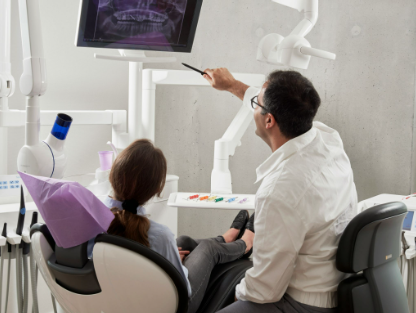
Across surgical suites, dental clinics, and procedural environments, clinicians often experience a consistent physical challenge that is rarely quantified in day-to-day practice: the gradual increase of cervical load associated with headlight use.
While individual procedures may feel manageable on their own, the combination of sustained head positioning, visual focus through loupes, and the added weight or balance demands of head-mounted lighting systems creates a compounding effect over the course of a clinical day.
Surgical headlights are essential for precision and visibility, but they also introduce an additional variable into an already static posture. Depending on design, mounting style, and weight distribution, headlights can subtly influence head angle and neck activation, especially during longer procedures where clinicians maintain fixed positioning for extended periods. Even small ergonomic inefficiencies can increase muscular demand on the cervical spine over time.
This cumulative load is one of the most underrecognized contributors to fatigue in dental and surgical settings. It does not present as an immediate issue during a single procedure. Instead, it builds incrementally across hours of continuous work, often becoming most noticeable at the end of a shift when neck stiffness, shoulder tension, and overall fatigue have fully accumulated.
With our surgical headlights, you can experience surgical Precision Illumination. It is compact and designed to perform with maximum brightness and mobility and it has extended battery life for extended procedures. If you are looking for a new headlight to use while at work, then our surgical headlight is just for you. Contact us today to book your trial and try out our headlight.
Cervical load refers to the mechanical stress placed on the neck and upper spine during head stabilization and posture maintenance. In clinical environments, this load is primarily driven by forward-head posture and sustained visual focus during procedures.
Even when posture appears neutral, the cervical spine is constantly working to support the weight of the head, which increases significantly when the head is tilted forward. Over time, this creates continuous muscular engagement in the neck, shoulders, and upper back.
Optimizing ergonomics in surgery is crucially important, impacting both the productivity and career longevity of surgeons, which must not be overlooked.
In surgical and dental settings, this load is not intermittent. It persists across:
Because the load is sustained rather than intermittent, fatigue accumulates even when clinicians are not actively aware of discomfort.
Surgeons go through a lot of stress on their bodies, from constantly standing up, moving around, and positioning. The constant use of heavy headlights can cause wear and tear throughout the day and lead to other problems in the future that could worsen, potentially requiring days off. Heavy headlights can strain or hurt your neck from the weight on your head, and they can also cause uneven support for your neck.
According to the National Library of Medicine, “While the human head normally weighs roughly 12 pounds in a neutral position, tilting the neck forward dramatically multiplies this force.” This means that the constant need to tilt their neck forward from a heavy and unsupportive surgical headlight is causing more damage to your body than you know.
One of the primary challenges in addressing cervical strain is that it does not present as a single acute event. Instead, it develops gradually and is often normalized by clinicians as part of routine fatigue.
Several factors contribute to this oversight:
Because of this, cervical load is often only recognized when it contributes to more significant musculoskeletal symptoms.
However, the underlying risk begins much earlier in the workload cycle than most clinicians perceive.
Surgical headlights improve visibility and precision, but their design can also affect surgeon comfort and posture during long procedures. Supportive surgical headlights are typically lightweight, well-balanced, and adjustable, helping reduce strain on the neck and shoulders while allowing for a more natural working position. This can improve comfort and reduce fatigue during extended cases.
Unsupportive surgical headlights may place unnecessary stress on the cervical spine due to excess weight, poor balance, or limited adjustability. Over time, this added strain can contribute to neck stiffness, muscle fatigue, and discomfort, especially during procedures that require prolonged static positioning.
As operating room ergonomics become a greater focus in healthcare, supportive surgical lighting systems are increasingly valued for both visibility and long-term physical sustainability.
When cervical load is partially supported throughout the day, the cumulative fatigue curve can shift.
Instead of a steady increase in strain across all phases of the shift, load accumulation may be reduced in each phase, resulting in more consistent physical endurance throughout the day.
Potential effects include:
This does not eliminate workload demands, but it reduces the physical effort required to sustain them.
Cervical load accumulation is not only a comfort issue. It is a workforce sustainability issue. Over time, repeated exposure to high static load can contribute to chronic musculoskeletal conditions, reduced work capacity, and increased occupational strain.
By addressing cumulative load rather than isolated discomfort, healthcare systems can better support:
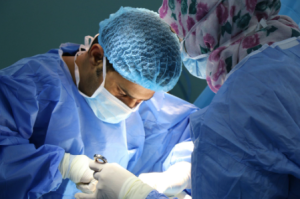
Sustained static postures are associated with increased muscle fatigue and musculoskeletal discomfort, particularly in occupations requiring precision work and limited movement variability.”
Understanding cervical load across a full clinical day is the first step toward improving sustainability in surgical and dental environments.
Structured cervical support can help reduce fatigue accumulation and improve endurance across long procedures and full shifts.
Book a trial with NekSpine to see how our surgical headlight can help you get the support your neck and body want. Our surgical headlight will significantly improve your work performance.