For Dental Practice Owners and Managers: Why Posture-Related Strain Is a Team Sustainability Problem, Not Just a Personal Health Issue
Musculoskeletal disorders are not a fringe concern in dental hygiene; they are the occupational norm. Previous studies indicate 64% to 93% of dental hygienists have musculoskeletal pain or MSDs in the neck, back, shoulders, and wrists.
Research also indicates MSDs may occur in student populations before their careers even begin. For dental practice owners and managers, the downstream effects are not abstract: reduced scheduling capacity, increased absenteeism, accelerated team turnover, and the recruitment and onboarding costs that follow each departure. Posture strain is a practice sustainability problem that silently compounds until a valued team member reduces hours, requests an accommodation, or leaves the profession entirely.
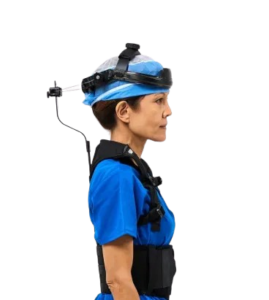
Addressing the biomechanical root cause of dental hygienist MSDs sustained forward head flexion, awkward access angles, and static seated posture with a structured ergonomic support program protects both individual team members and practice-level productivity. NekSpine® provides a clinically validated, lightweight spinal support system that integrates into dental hygiene workflows without disrupting patient care or requiring clinical retraining.
This post frames dental hygienist MSK injury as a practice sustainability issue, presents the clinical data behind the risk, and outlines how ergonomic support can be evaluated and implemented as a team-wide investment.
Book a Practice Ergonomics Consult talk with NekSpine®’s team about evaluating ergonomic support for your dental hygiene staff, including team sizing, individual fitting logistics, and pilot program options. Book a practice ergonomics consult today.
The MSK Data for Dental Hygienists: What Practice Owners Need to Know
- Dental hygienists report neck disorder prevalence of 54–83% and shoulder disorder prevalence of 35–76%, rates higher than those of dentists, with symptoms beginning early in the career and increasing significantly upon starting clinical practice. Significant social and economic consequences have been reported, including leaving the profession or reducing hours.
- Dental hygienists experiencing neck pain are more likely to take time off work or to consider reducing their working hours, which can affect both productivity and career longevity.
Why Dental Hygiene Posture Is Structurally Demanding
- Seated working position does not reduce cervical load; forward head flexion at 30–45° generates the same effective cervical load in a chair as standing
- Intraoral access angles force rotation and lateral flexion, compounding cervical and thoracic strain
- High daily patient volume means a sustained static load is repeated across full clinical days with minimal recovery time between appointments
The Practice-Level Cost of Unaddressed Hygienist MSK Strain
- Recruitment and onboarding cost per hygienist departure frames the retention math for practice owners
- Schedule compression when experienced hygienists reduce hours, revenue, and patient care impact
- Team morale and retention culture: how visible investment in staff health affects retention broadly
What Ergonomic Support Looks Like in a Dental Hygiene Context
- Seated compatibility NekSpine® functions in seated and reclined working positions
- Loupe and headlight compatibility has direct relevance to hygiene workflows
- Lightweight and minimalist design weighs less than 2 lbs, does not impede patient interaction or clinical movement
How to Evaluate NekSpine® for Your Dental Team
- Individual fitting: each team member’s fit is personal. The evaluation process confirms compatibility before investment
- Practice-level pilot: NekSpine®’s structured pilot framework applies to dental practices as well as hospital OR programs.
FAQ
How prevalent are MSK disorders among dental hygienists?
Previous studies indicate 64% to 93% of dental hygienists experience musculoskeletal pain or MSDs in the neck, back, shoulders, and wrists, with evidence that MSDs may occur in student populations before their careers even begin.
How do dental hygienist MSK injuries affect practice scheduling and revenue?
Dental hygienists experiencing neck pain are more likely to take time off work or to consider reducing their working hours, which directly affects practice productivity and career longevity. For practice owners, reduced scheduling capacity and accelerated team turnover result in measurable costs for recruitment and onboarding, as well as lost revenue.
Does the seated working position in dental hygiene reduce cervical and lumbar load?
No. Forward head flexion at clinically necessary access angles generates the same effective cervical load in seated positions as standing. The seated posture also introduces a compressive load on the lumbar spine that compounds lower back strain over a full clinical day.
Is NekSpine® compatible with dental hygiene workflows and patient positioning?
Yes. NekSpine® weighs less than 2 lbs, is compatible with seated and reclined working positions, and does not interfere with patient interaction, clinical hand positioning, or loupe and headlight setups.
At what stage of a dental hygiene career do MSK symptoms typically become problematic?
Symptoms begin to appear early in the career, with significant increases upon starting clinical practice. Research on dental hygiene students documents measurable MSK prevalence before careers begin, making early ergonomic intervention the most protective strategy.
Can NekSpine® be evaluated as a team-wide program for a dental practice, rather than individual purchases?
Yes. NekSpine® offers a structured pilot and evaluation framework applicable to dental practice teams.
Does NekSpine® address lower back strain as well as neck and shoulder strain?
Yes. NekSpine® is a full-spine support system. The Vest component specifically addresses lumbar compression and stability, which are directly relevant to the seated working position common in dental hygiene.
Are there clinical studies supporting NekSpine®’s effectiveness for dental professionals?
Independent peer-reviewed studies in the Annals of Surgery and Sensors demonstrate statistically significant reductions in neck and back strain, improved posture, and high clinician acceptance. While studies were conducted in surgical contexts, the biomechanical mechanisms are directly applicable to dental procedural environments.
Learn more about the NekSpine® system product details, components, compatibility, and fit customization for dental professionals. Explore the NekSpine® System today.