Why Setup Conditions Matter More Than They Appear
In surgical environments, performance consistency is often attributed to experience, skill level, or procedural complexity. However, a significant and often underestimated factor is operating room setup.
The way an operating room is arranged directly influences how a clinician must move, position themselves, and maintain focus throughout a procedure. Even highly skilled teams are affected by small inefficiencies in layout, visibility, and access.
These environmental conditions do not just shape comfort. They shape consistency, endurance, and long-term physical demand across surgical workflows.
Improve consistency in the operating room by refining how your surgical environments are designed and supported. Explore how small adjustments in setup can lead to measurable gains in performance reliability.
The Operating Room as a Dynamic Physical System
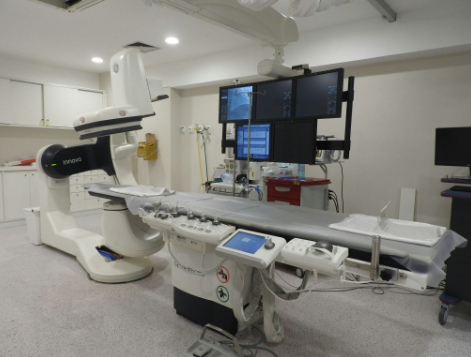
An operating room is not a static workspace. It functions as a dynamic system where every object placement influences human movement. Table height, monitor positioning, instrument location, and team orientation all determine how efficiently the body can operate under precision demands.
When this system is not optimized, the clinician becomes the compensating variable. The body adapts to environmental constraints in real time to maintain procedural flow.
Over time, these adaptations become habitual movement patterns that influence both performance and physical strain.
How Small Setup Inefficiencies Create Performance Variability
Even minor inconsistencies in OR setup can lead to noticeable differences in how procedures feel and perform. A slightly misaligned monitor may increase neck strain. An inefficient instrument layout may require repeated reaching. A suboptimal table height may force continuous postural correction.
Individually, these adjustments seem insignificant. However, across multiple procedures, they introduce variability in physical load and cognitive focus.
This variability affects consistency. When the body must repeatedly adapt to small environmental inefficiencies, energy is redistributed away from precision and toward compensation.
The Relationship Between Setup and Cognitive Load
Operating room setup does not only affect physical posture. It also influences cognitive load. When clinicians must continuously adjust to suboptimal positioning, part of their attention is diverted from procedural decision-making to environmental management.
This creates a subtle increase in mental workload, even when the procedure itself remains unchanged. Over time, this can contribute to fatigue accumulation and reduced focus stability during longer cases.
A well-optimized setup reduces these micro-decisions, allowing cognitive resources to remain centered on the procedure itself.
Why Setup Inconsistency Leads to Physical Compensation
One of the most common outcomes of inconsistent OR setup is physical compensation. When the environment does not fully support neutral alignment, the body adjusts to maintain functionality.
This may include forward leaning for visibility, shoulder elevation for access, or asymmetrical stance for instrument reach. While these adjustments support immediate performance, they increase cumulative physical load.
When setup conditions vary from case to case, these compensations become more frequent and less predictable, increasing overall strain across surgical teams.
The Impact on Long-Term Surgical Endurance
Over time, inconsistent operating room setup can influence endurance. Even when individual procedures are completed successfully, the cumulative physical demand across a surgical schedule may increase.
Clinicians may experience earlier onset fatigue, reduced recovery between cases, or increased muscular tension during long operating days. These effects are not always linked back to setup, but they often originate from it.
Consistency in environmental design helps stabilize physical demand, allowing endurance to remain more predictable across time.
Standardization as a Performance Strategy
One of the most effective ways to reduce variability in surgical performance is through standardization of operating room setup. When key elements such as monitor height, table positioning, and instrument layout remain consistent, the body no longer needs to constantly adapt.
This reduces compensatory movement patterns and supports more efficient energy distribution throughout procedures. It also improves team coordination, as each member operates within a predictable spatial environment.
Standardization does not eliminate complexity in surgery, but it reduces unnecessary variability in how that complexity is physically managed.
Where Setup Becomes an Ergonomic Issue
Operating room setup is often viewed as a logistical or technical consideration rather than an ergonomic one. However, every setup decision has a direct impact on posture, movement efficiency, and physical strain.
When setup does not support neutral biomechanics, ergonomics is compromised before the procedure even begins. This makes setup one of the earliest and most influential points of intervention for reducing long-term strain.
NekSpine’s Perspective on Environmental Design
NekSpine approaches surgical ergonomics as a system that begins before the first incision. Environmental setup is treated as a foundational factor in determining how the body will experience load throughout a procedure.
By evaluating how spatial design influences movement patterns, it becomes possible to reduce unnecessary compensation and improve consistency across surgical workflows.
The focus is not only on posture correction, but on designing environments that naturally support more sustainable physical behavior.
Closing Perspective
Operating room setup is more than organization. It is a performance variable that directly influences consistency, endurance, and physical demand in surgical environments.
When setup is inconsistent, the body becomes the adaptive system. When setup is optimized, performance becomes more stable and predictable across procedures.
Explore NekSpine strategies for optimizing operating room setup to improve surgical performance, reduce physical compensation, and support long-term clinician sustainability.