
The Hospital Justification Case for NekSpine
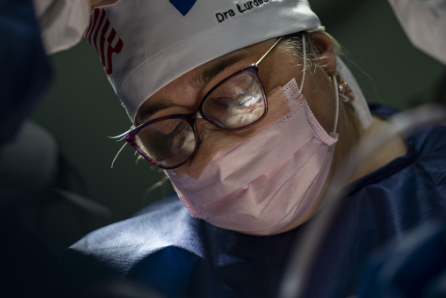
The most common reason a NekSpine pilot may not progress to hospital-level adoption is not necessarily that surgeons found the device unhelpful. Instead, a promising pilot can stall when there isn’t enough institutional context, supporting evidence, or a clear procurement pathway to move the conversation from individual interest to a department-level decision.
NekSpine for Rural Hospitals and Smaller Surgical Departments

The occupational health burden documented in peer-reviewed literature among surgical populations is not necessarily dependent on hospital size.
OR Fatigue and Staff Retention

Surgical talent is expensive to recruit, time-consuming to credential, and difficult to replace when experienced staff leave the department. Hospital administrators and OR medical directors who think about surgical staff retention primarily in terms of compensation and scheduling are addressing part of the picture.
Surgeon Fatigue, Procedural Risk, and the Financial Case for Hospital Ergonomic Investment

Hospital risk management has evolved in its approach to patient safety over the past two decades, with fatigue-related risks increasingly viewed as a system-level concern rather than solely an individual performance issue.
National Spine Health Awareness Month
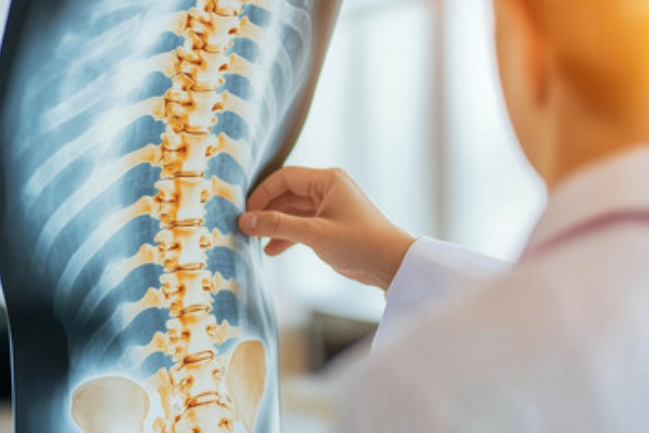
October marks National Spine Health Awareness Month, an annual campaign led by the National Spine Health Foundation to highlight the importance of spinal health, prevention, and early support.
NekSpine for Oral and Maxillofacial Surgery: Postural Demands Across a Varied Procedure Mix
Oral and Maxillofacial Surgery Spans Two Distinct Postural Risk Profiles, and Most Ergonomic Interventions Address Only One
Surgical Ergonomics Beyond the United States: Why International Surgeons Are Adopting Intraoperative Support
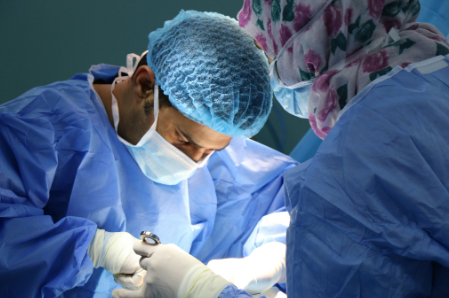
A surgeon in Beijing sustaining forty-five degrees of forward flexion during a four-hour case carries the same cervical load as a surgeon in Minneapolis doing the same.
Hand Surgery Ergonomics: Fine Dissection, Loupe Dependence, and the Cervical Cost of Precision Work

Hand surgeons and microsurgeons do not typically consider themselves at high risk for work-related injury. The cases are often short relative to other specialties, the physical effort is minimal, and the postural demands feel more like concentration than exertion.
Pediatric Surgery Ergonomics: The Postural Demands of Operating on Small Patients

Every operating room is designed around the needs of the patient. In pediatric surgery, those design considerations can create unique ergonomic challenges for the surgeon
Surgeon Neck Pain During Long Procedures: What Is Actually Happening and What You Can Do About It

Postural strain doesn’t announce itself it accumulates. For surgeons, the biomechanical load that eventually produces chronic neck and back pain begins in residency and compounds quietly through decades of high-volume procedural work.